Cremation Process - What You Didn’t Expect
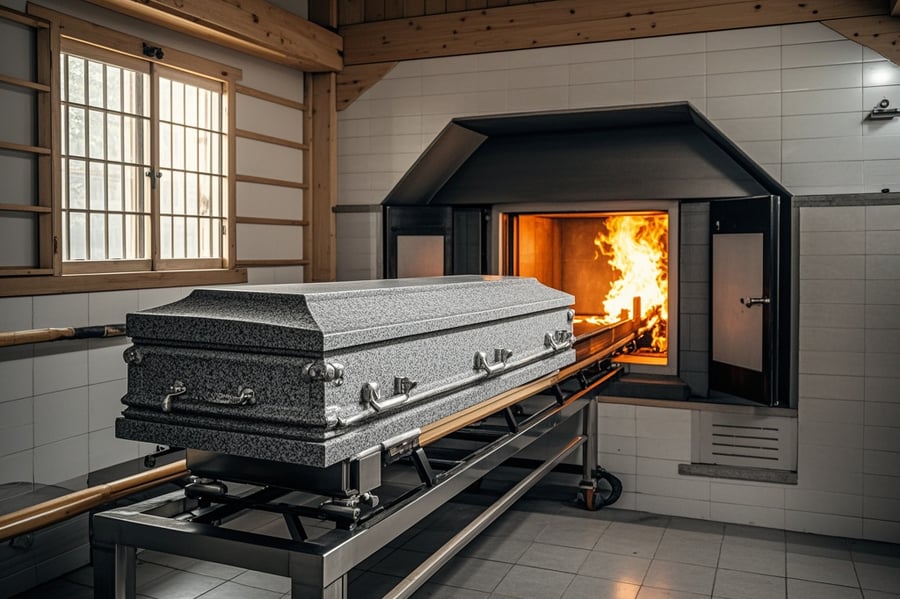
1. It’s a High-Tech Process
Today’s cremation facilities use advanced technology to ensure efficiency, safety, and environmental responsibility. Modern cremation chambers are temperature-controlled, reaching up to 1,800°F (982°C) to ensure complete reduction of the body. Sophisticated monitoring systems help maintain this temperature and track the duration, with many facilities allowing families to view the process from a separate room for peace of mind.
2. It’s Surprisingly Environmentally Friendly
Traditional cremation, while efficient, does have some environmental impact. However, eco-friendly alternatives are emerging, like water cremation (alkaline hydrolysis) and resomation, which use water and alkaline solutions instead of high heat. These methods reduce carbon emissions by over 90% and minimize waste, making cremation an increasingly sustainable choice for those seeking an environmentally friendly end-of-life option.
3. It’s Not Just Ash
One common misconception is that cremation leaves behind fine, powdery ash. In reality, the remains consist mostly of bone fragments, which are processed to create the "ashes" we’re familiar with. After cremation, these fragments are ground into a fine texture before being placed in an urn. This process can take up to an hour and is done carefully to respect the remains.
4. Jewelry and Medical Devices Must Be Removed
If the deceased has medical implants, such as a pacemaker, or wears jewelry, these items must be removed before cremation. Pacemakers, for instance, contain batteries that could explode under high temperatures. Skilled technicians are trained to identify and remove such items safely before the cremation process begins. Family members are usually asked to make decisions about any personal belongings to be kept or removed.
5. Cremation Isn’t an Instant Process
While it’s quicker than traditional burial, cremation is not instantaneous. The entire process typically takes 2 to 3 hours, depending on factors like body weight, temperature, and facility protocols. This timeframe can surprise some people, especially if they’re expecting a quicker procedure. Once the cremation is complete, cooling and processing the remains can take additional time, with final preparation often completed the following day.
6. You Have Many Options for the Remains
After cremation, many families choose to keep the ashes in an urn, but there are several unique options available. Ashes can be scattered in a favorite location, turned into a memorial diamond, incorporated into jewelry, or even used to plant a memorial tree. Some people choose biodegradable urns that dissolve naturally when buried, while others opt for space memorials or other creative commemorations. The options for honoring loved ones’ remains are more varied than ever.
7. Cremation Can Include a Memorial Service
Many people believe that choosing cremation means forgoing a traditional funeral service, but this isn’t the case. Families can hold a viewing or visitation before the cremation, or plan a memorial service after. Some cremation providers offer options for virtual or outdoor services, allowing families to gather and honor their loved one in ways that feel personal and meaningful.
8. Pre-Planning Is Common and Wise
An increasing number of Americans are pre-planning their own cremation as part of estate planning or to relieve their families of difficult decisions. Pre-planning allows individuals to choose the specifics of their cremation, including details like the urn, memorial service, and how they’d like their ashes to be handled. Many find that pre-planning brings peace of mind and ensures their wishes are respected.
Why Knowing the Process Matters
Understanding the cremation process can demystify what happens after death and bring a sense of control and comfort. Whether you’re considering it for yourself or navigating choices for a loved one, knowing what to expect allows you to make an informed decision.
Cremation has evolved to offer more options, flexibility, and personalization than ever before. By learning more, you’re better prepared to create a meaningful farewell that honors the unique life it commemorates.