How to Protect Your Teeth
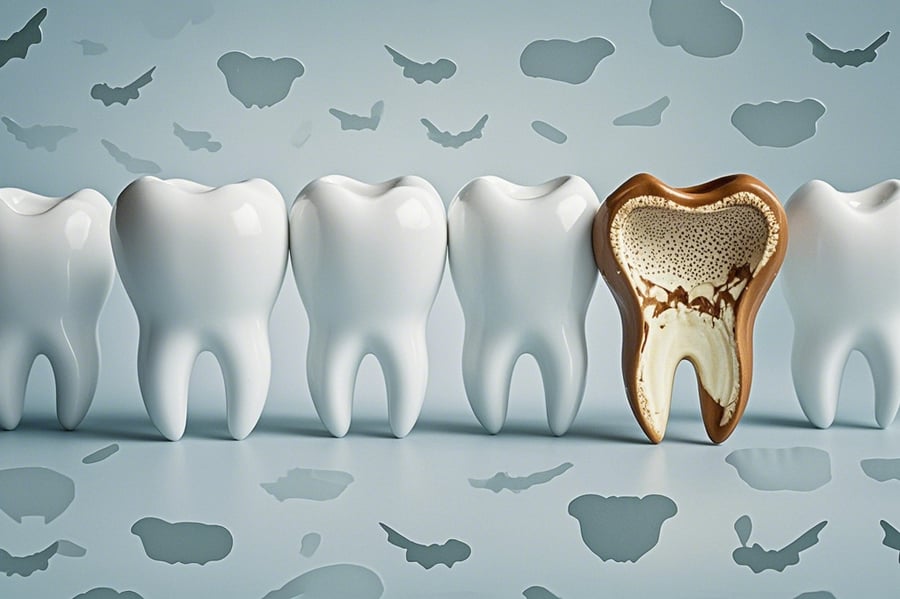
1. Practice Good Brushing Habits
· Brush Twice a Day: Brush your teeth twice a day, in the morning and before bed, using fluoride toothpaste. Each brushing session should last at least 2 minutes, ensuring you clean every tooth surface.
· Use Proper Technique: Brush with small circular motions and focus on the area where your teeth meet your gums. Avoid brushing too hard, as it can damage your gums and tooth enamel.
· Floss Daily: Flossing helps remove food particles between teeth, preventing cavities and gum disease.
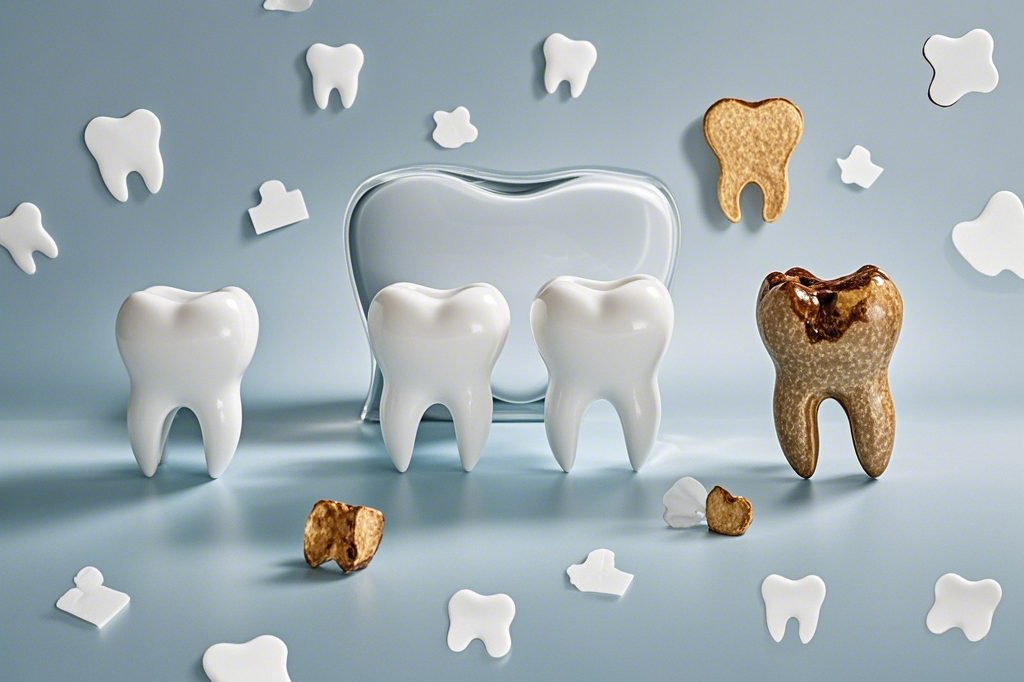
2. Limit Sugary Foods and Drinks
Sugary foods and beverages promote the growth of bacteria in your mouth, which produce acids that can erode tooth enamel and cause cavities. Reducing your intake of sugary snacks, sodas, and desserts helps protect your teeth.
3. Visit the Dentist Regularly
· Dental Check-ups Every Six Months: Regular dental check-ups can help detect and treat dental issues like cavities and gum disease before they worsen.
· Professional Cleanings: Professional teeth cleanings remove plaque and tartar buildup, preventing gum disease and maintaining overall oral health.
4. Avoid Excessive Tooth Wear
· Don’t Bite Hard Objects: Avoid biting down on hard objects like ice, nutshells, or bottle caps, which can cause cracks or damage to your teeth.
· Wear a Mouthguard: If you participate in contact sports such as basketball or soccer, wearing a mouthguard can help protect your teeth from injury.
5. Use Fluoride Toothpaste
Fluoride strengthens tooth enamel and helps repair early stages of enamel damage, preventing cavities. Ensure your toothpaste contains an adequate amount of fluoride.
6. Quit Smoking and Limit Alcohol
Smoking and excessive alcohol consumption increase the risk of oral cancer, gum disease, and tooth discoloration. Quitting smoking and reducing alcohol intake are important steps toward maintaining oral health.
7. Maintain Hygiene of Oral Care Tools
· Replace Your Toothbrush Regularly: Change your toothbrush every three months or sooner if the bristles become frayed. A worn-out toothbrush won’t clean your teeth effectively.
· Store Your Toothbrush Properly: After use, rinse your toothbrush thoroughly and let it air dry. Avoid keeping it in enclosed spaces to prevent bacterial growth.
8. Use Mouthwash
Mouthwash helps clean hard-to-reach areas of your mouth, kills bacteria, and freshens breath. Choose a mouthwash with antibacterial properties to prevent gum disease and plaque buildup.
9. Maintain a Healthy Diet
· Eat Calcium-Rich Foods: Dairy products like milk, cheese, and yogurt help strengthen your teeth and gums.
· Include Vitamin C-Rich Foods: Citrus fruits and leafy greens can help prevent gum disease and maintain healthy gums.
10. Prevent Teeth Grinding at Night
Some people grind their teeth at night, leading to tooth wear. Wearing a custom-made night guard, recommended by your dentist, can protect your teeth from damage while you sleep.
Conclusion
Protecting your teeth involves adopting small but effective habits in your daily life. Good oral hygiene, a balanced diet, and regular dental visits are key to keeping your teeth strong and preventing oral diseases. By following these practices, you can enjoy long-term dental health.