Things You Need to Know When a Loved One Passes Away: The Most Comprehensive Funeral Guide
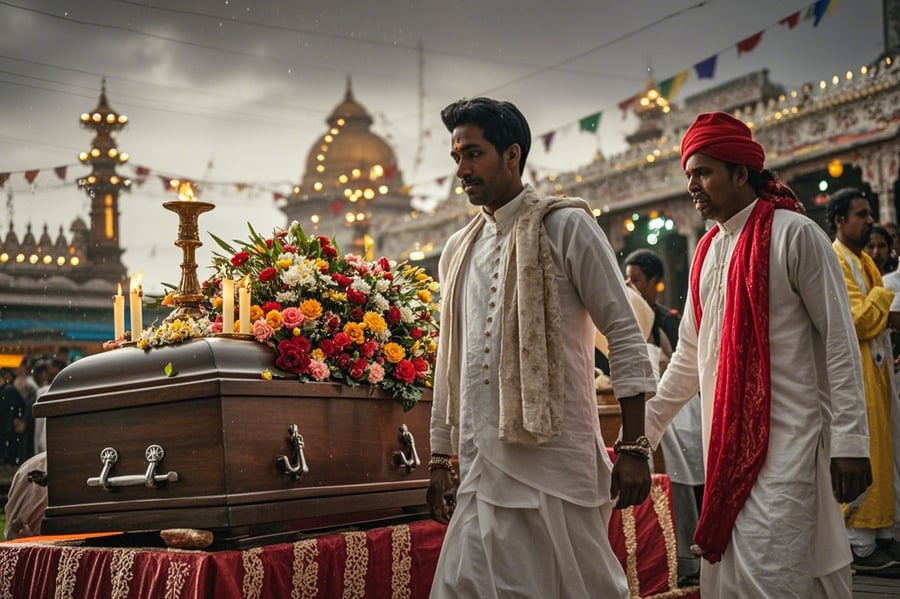
1. Understanding the Religious Customs: Honoring Traditions
In India, the customs and rituals associated with funerals vary significantly based on religion, region, and community. Here’s a quick overview of the key practices:
· Hindu Funerals: Hindus typically perform a fire ceremony, where the body is cremated to release the soul. Essential rituals include the “antim sanskar” and scattering ashes in a sacred river, like the Ganges.
· Muslim Funerals: Muslims emphasize a prompt burial, typically within 24 hours. Rituals include body washing (ghusl), wrapping in a white shroud (kafan), and prayers (Salat al-Janazah).
· Christian Funerals: Christians in India often hold a memorial service or mass before the burial, with hymns and prayers, followed by burial in a cemetery.
· Sikh Funerals: Sikhs prefer cremation and view death as a transition. Rituals include reciting prayers from the Guru Granth Sahib and a final Ardas (prayer) at the end.
Understanding these customs can make each step feel more meaningful. Funeral service providers in India often specialize in customs for each religion, so choosing a service that respects these traditions is essential.
2. Choosing the Right Funeral Service Provider
Selecting a trusted funeral service provider can help with logistics, emotional support, and performing rituals correctly. Here are some questions to ask:
· Do they understand the specific religious customs?
· Can they handle everything, from body transportation to ritual arrangements?
· Do they offer services for burial, cremation, or alternative options, such as eco-friendly ceremonies?
Many reputable providers offer end-to-end services that handle every detail, allowing your family to focus on mourning and remembrance. It can also be helpful to ask friends or family for recommendations, as word-of-mouth is often trusted.
3. Planning Rituals and Ceremonies: Making Arrangements Step-by-Step
The essential steps after a loved one’s passing include:
· Contacting Family and Friends: Notify close relatives and friends. Social media can be a helpful tool for wider notifications.
· Obtaining a Death Certificate: This legal document is necessary for insurance claims, property transfers, and financial matters.
· Preparing the Body: Religious customs dictate specific preparation steps, such as washing, dressing, and positioning.
· Organizing the Funeral Ceremony: This could include booking a cremation or burial site, organizing priests, or arranging for a special prayer ceremony.
· Post-Funeral Rituals: Many Indian families hold additional rites days or weeks after the funeral, such as the Hindu 13-day mourning period or a memorial service.
4. Financial Planning: Managing the Costs
Funeral costs in India can vary depending on the type of ceremony and additional services. Key expenses include:
· Service Fees: Costs for the funeral provider’s services and the specific rituals.
· Venue or Cremation/Burial Site Fees: Including cemetery plots or crematorium fees.
· Additional Costs: Food for gatherings, priest fees, and decor.
Considering insurance options or savings set aside for these expenses can help reduce financial stress.
5. Grief Support: Taking Care of Yourself and Your Family
Grieving is a deeply personal process, but you don’t have to face it alone. Here are a few ways to seek support:
· Spiritual Support: Many find comfort in religious leaders or community groups.
· Grief Counseling: Therapists can provide valuable tools and space to process loss.
· Support Groups: Connecting with others who have experienced loss can offer understanding and solidarity.
6. Modern Alternatives: Eco-Friendly Funerals and Digital Memorials
Recently, there has been an interest in alternative, eco-friendly funerals. Some options include:
· Eco-Friendly Cremations: Services that reduce wood use or emissions.
· Tree Planting Memorials: Families plant trees as a lasting tribute.
· Digital Memorials: Websites or social media profiles serve as a remembrance space, where friends and family can share memories and photos.
Final Thoughts: Honoring a Life with Respect and Love
Losing someone we love is among life’s most difficult challenges. By understanding and preparing for the steps involved in Indian funerals, families can focus more on honoring their loved ones with respect, compassion, and love.
Remember, it’s okay to seek help during this time. With a trusted support system and resources, you can navigate this journey with grace and strength, finding solace in the rituals that honor your loved one’s life.